Cardiovascular Risk Report: “Stem Cell Factor” as Predictive as Cholesterol Levels

With a proliferation of guidelines designed to reduce costs based on the risk profiles of patients, and a more general trend towards a preventative care framework, it's important to stay on top of the latest research into these risk factors for cardiovascular disease.

What constitutes a high-risk patient? What's new in risk assessment? Stay tuned, ACVP blog will bring you more on the latest in cardiovascular disease risk factors.

Stem Cell Factor as predictive as cholesterol

"Stem Cell Factor" Linked to Cardiovascular Disease Risk

A new study published in the Journal of Internal Medicine identified a risk factor with a similar predictive value to established cardiovascular risk factors such as LDL and HDL cholesterol.

Continue reading Cardiovascular Risk Report: “Stem Cell Factor” as Predictive as Cholesterol Levels

A Clinical Ladder in the Procedural Setting

Are you climbing the clinical ladder?

Often in clinical settings, there are limited opportunities for upward mobility. In fact, the clinical "ladder" in your organization might be a single position---Team Leader---or you might not be climbing at all.

Continue reading A Clinical Ladder in the Procedural Setting

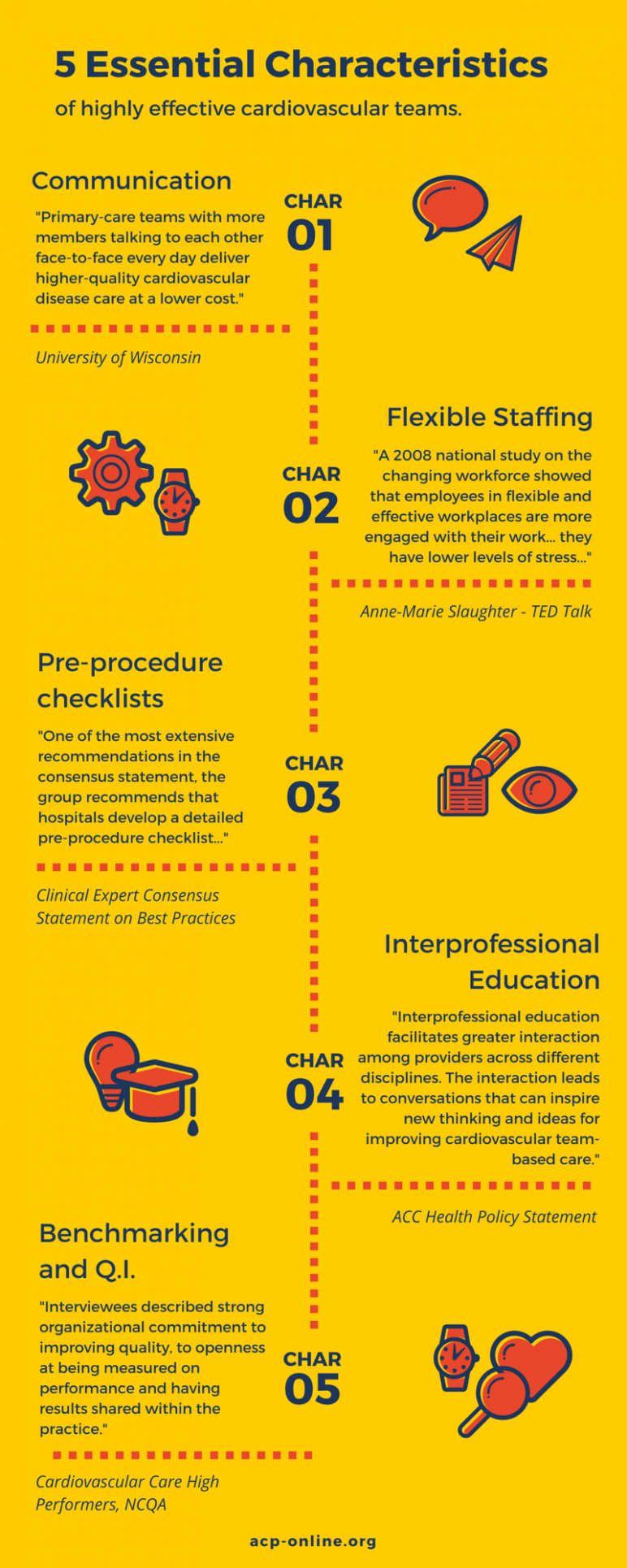
Benchmarking and Quality Improvement – Essential Characteristic #5

cardiovascular quality improvement

Is it obvious? Highly effective cardiovascular teams demonstrate commitment to cardiovascular quality improvement.

In a 2014 report entitled "Cardiovascular Care High Performers," the National Committee for Quality Assurance detailed the importance of benchmarking and continuous cardiovascular quality improvement.

What is the practice culture of effective cardiovascular teams, according to the report? It's characterized by a "strong organizational commitment to improving quality, to openness at being measured on performance and having results shared within the practice, to working on closing gaps and to trying new strategies to engage patients."

Commitment and openness, especially to being measured, sharing results, and working on closing quality gaps, has been proven to improve outcomes, from a single group to an entire state.

Continue reading Benchmarking and Quality Improvement – Essential Characteristic #5