RMH Cardiac Team Works with Local EMS to Improve STEMI Calls

imageIn 2015, Sentara Rockingham Memorial Hospital in Harrisonburg, Virginia earned the American College of Cardiology's ACTION Registry®-GWTG™ Platinum Award for the second consecutive year for providing superior care to high-risk STEMI patients.

Sentara RMH was also recently awarded the American Heart Association Mission: Lifeline® Silver Award for STEMI.

An important quality consideration in the ACTION Registry, door-to-balloon time sets Sentara RMH and its cardiac team apart.

In a recent interview, cardiac operations manager Linwood Williams reported that Sentara RMH's average door-to-balloon time is 46 minutes compared to the national average of 59.2.

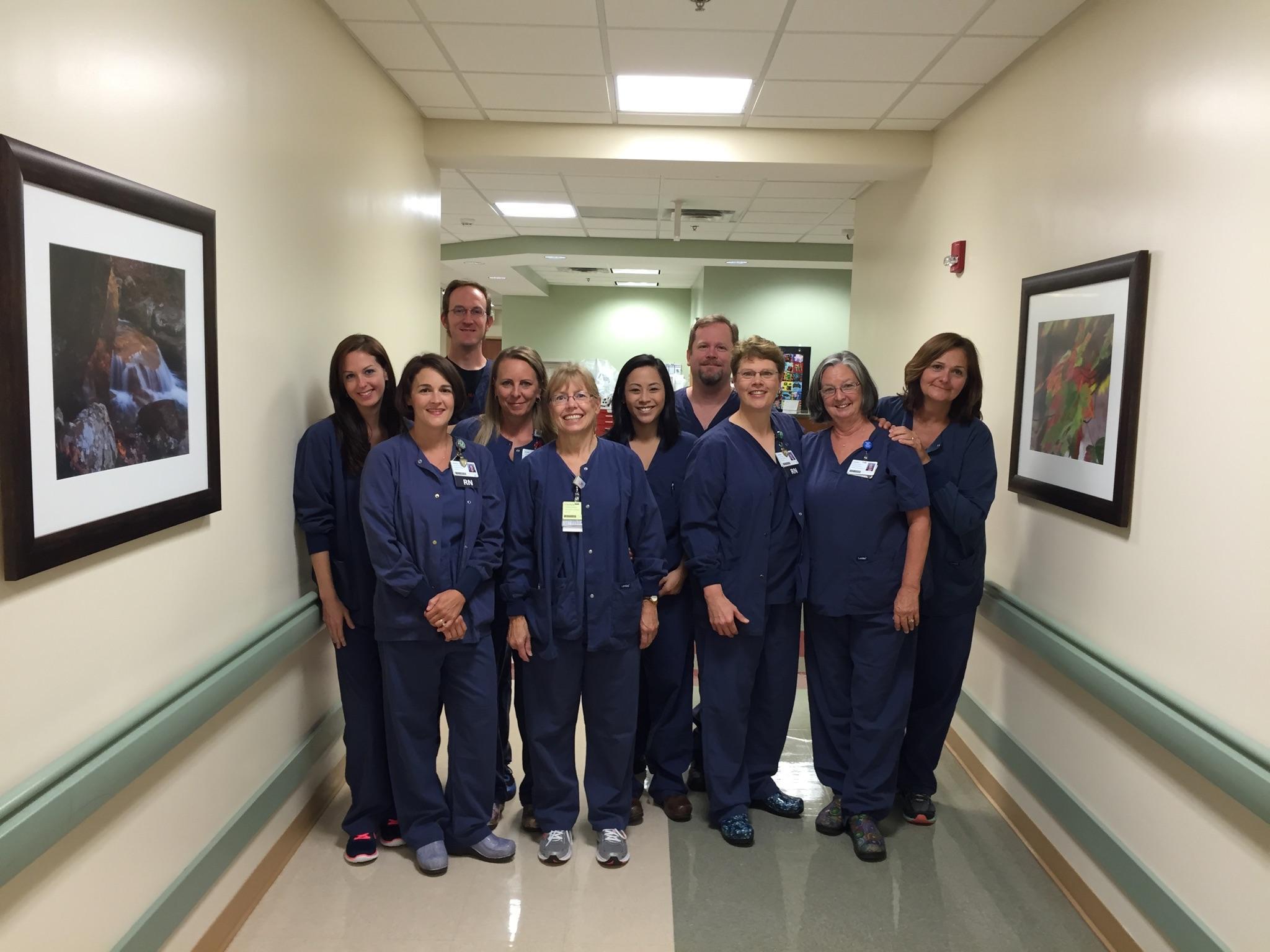
We reached out to Williams, an active Alliance of Cardiovascular Professionals member, to profile his excellent cardiac team and ask the question---how did they improve STEMI?

Continue reading RMH Cardiac Team Works with Local EMS to Improve STEMI Calls

Simple Test After Heart Attack Predicts Heart Failure

heartattackThe University of Glasgow presented research at the British Cardiovascular Society's annual conference, yesterday that proves a pressure- and temperature-sensitive wire inserted into a coronary artery after a heart attack can predict heart failure.

The standard assessment, a coronary angiogram, "can only identify narrowed vessels and cannot tell the doctor if, or how much, heart blood vessel damage has occurred," writes Medical News Today. Using the wire, the level of damage to arteries after a heart attack can be assessed in minutes -- a key indicator of high risk for heart failure.

The new assessment could lead to quicker treatment of patients at greatest risk for heart failure and improve outcomes.

One simple procedural change reduces mortality in the cath lab

An international study published mid-March in the Lancet showed that using the wrist as an access point for heart catheterization reduced bleeding and lowered mortality rates as opposed to using the groin as an access point.

While previous studies have demonstrated that wrist access reduces incidents of bleeding, this is the first to demonstrate the connection with incidents of mortality.

The change lowers mortality at no additional cost beyond necessary additional training and expertise---insertion through the wrist is more technically demanding than insertion through the groin, as the artery is smaller.

Special Report (4): Robotics improve efficiency and reduce radiation exposure

In 2011, the Society of Cardiovascular Angiography and Interventions published new guidelines for a Radiation Safety Program for the Cardiac Catheterization Laboratory.

With regards to procedures, they recommended limiting exposure duration, reducing dosage, limiting high-dose high contrast use, reducing magnification, and increasing distance from the x-ray beam to name a few.

Mayo Clinic reduced doses by 40 percent over a 3-year period in a case study released in 2012, where researchers noted that "the physician's expectations [had to] change from a desire for excellent image quality to a desire for low radiation dose and acceptance of clinically adequate image quality."

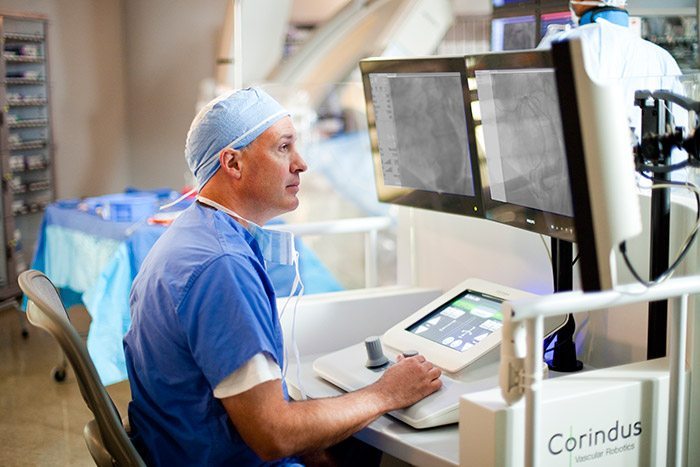
Technology itself might not be able to change culture, but it can significantly improve many relevant factors, as demonstrated by trials and testimonials of Corindus's CorPath system.

Continue reading Special Report (4): Robotics improve efficiency and reduce radiation exposure