Simple Test After Heart Attack Predicts Heart Failure

heartattackThe University of Glasgow presented research at the British Cardiovascular Society's annual conference, yesterday that proves a pressure- and temperature-sensitive wire inserted into a coronary artery after a heart attack can predict heart failure.

The standard assessment, a coronary angiogram, "can only identify narrowed vessels and cannot tell the doctor if, or how much, heart blood vessel damage has occurred," writes Medical News Today. Using the wire, the level of damage to arteries after a heart attack can be assessed in minutes -- a key indicator of high risk for heart failure.

The new assessment could lead to quicker treatment of patients at greatest risk for heart failure and improve outcomes.

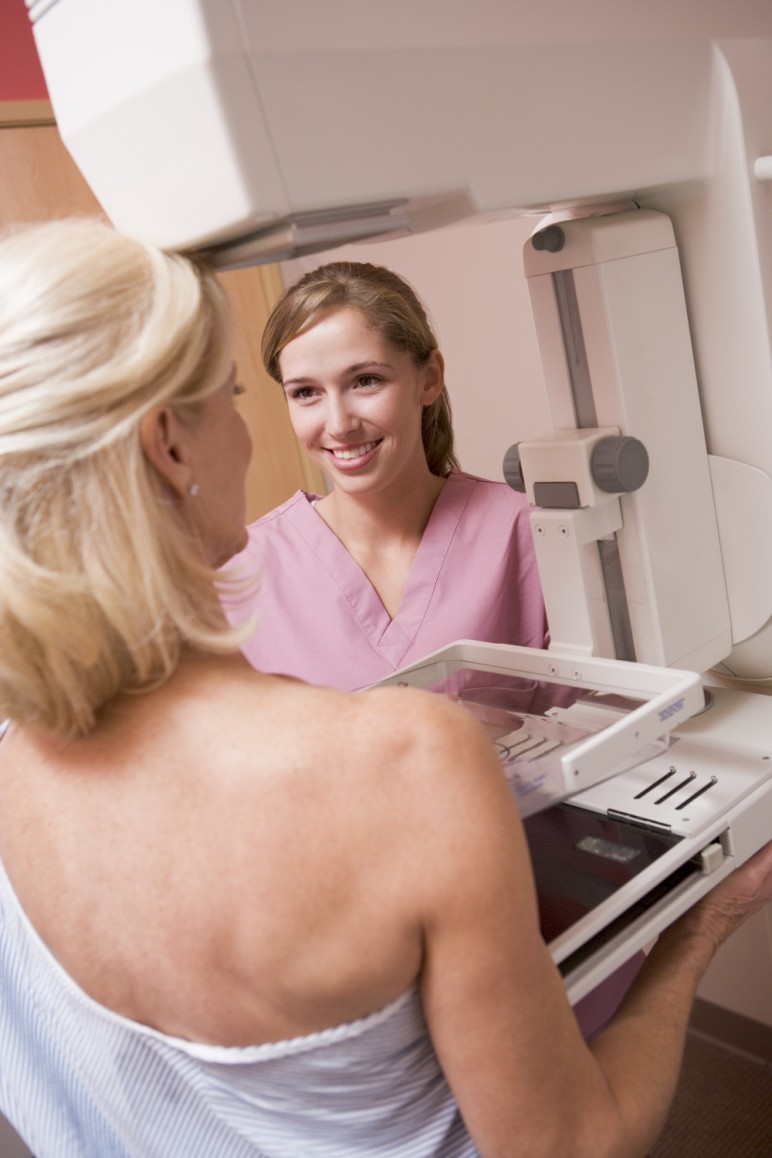
Breast Screening May Also Predict Heart Risk

Continue reading for more news on predicting and screening for cardiovascular disease and risk.

Breast Calcification Correlated to Coronary Calcification

A new study presented at the annual meeting of the American Roentgen Ray Society (ARRS) last week suggested that the breast screening mammogram could be an aid for heart risk assessment.

Continue reading Breast Screening May Also Predict Heart Risk

Working in the Cath Lab Causes Heart Disease

Radiation Safety (Still) Matters

In February, ACVP blog reported on a survey that showed non-physician Cath Lab employees, ACVP members, reporting higher levels of musculoskeletal pain due to radiation exposure and lead apron use.

In April, SCAI released a membership survey with almost 50 percent of responders reporting orthopedic injuries, and there has been "no discernible improvement" since a similar survey was collected in 2004.

There's more bad news. A new study published this week links radiation in the Cath Lab to subclinical atherosclerosis. That's right, working in the Cath Lab can cause cardiovascular disease.

The study calculated a radiological risk score based on proximity to radiation source, caseload, and the length of employment, and there was a significant correlation between this measure and carotid intima-media thickness on the left side, not on the right, which provides "further support for a causal connection."

What's being done?

Continue reading Working in the Cath Lab Causes Heart Disease