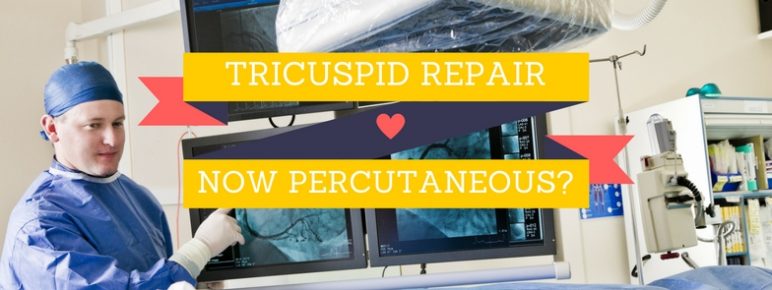
Cath innovation: Cardioband repairs first leaky tricuspid

Valtech Cardio's Cardioband system brings direct annuloplasty to the field of percutaneous coronary intervention—for catheter-based mitral valve repair and now, tricuspid valve repair.

A team from the University Hospital Zurich led by Francesco Maisano, MD recently succeeded in the first ever minimally invasive procedure using Cardioband to repair a leaky tricuspid valve, according to yesterday's press release from the University of Zurich.

The news comes shortly after Valtech shared follow-up data from a multi-center Cardioband Mitral study at the PCR London Valves 2016 conference. Results showed a "significant and consistent reduction in MR" with a "safety profile similar to equivalent transcatheter procedures" according to the session slides.

Continue reading Cath innovation: Cardioband repairs first leaky tricuspid

Improving adherence to medications for heart failure: Medtronic says their CRT does it

Despite relatively few strong research studies supporting methodologies for improving adherence to medications for patients with heart failure, Medtronic's recent press release suggests their cardiac resynchronization therapy (CRT) implants might do the trick.

Medtronic accounced results of a retrospective analysis of administrative claims data of more than 4,500 patients with heart failure at the 2016 Heart Failure Society of America Scientific Meeting, Monday.

The analysis found that the number of patients "fully compliant" to a regimen of guideline-recommended medications "nearly doubled" at twelve months following CRT implants compared to those who did not receive implants.

Continue reading Improving adherence to medications for heart failure: Medtronic says their CRT does it

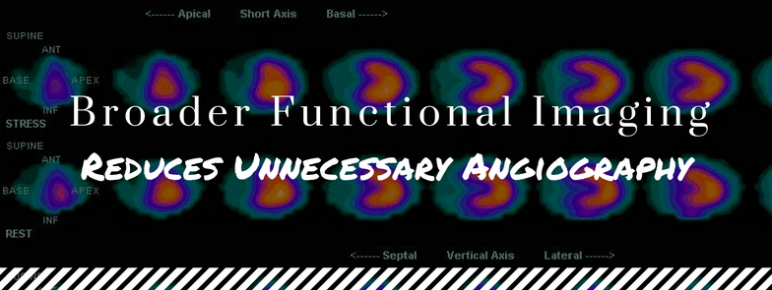
Broader CMR or SPECT imaging reduces unnecessary angiography

Results from the CE-MARC 2 trial, announced today at the European Society of Cardiology (ESC) Congress, suggest that unnecessary angiography could be significantly reduced by favoring noninvasive cardiovascular magnetic resonance (CMR) imaging or single photon emission computed tomography (SPECT) to initially investigate patients with suspected coronary artery disease (CAD).

These findings could have an "important impact on referral rates for invasive coronary angiography," says the ESC press release.

Continue reading Broader CMR or SPECT imaging reduces unnecessary angiography

Future of cardiology: personalized care through genetics?

Genetic arrhythmia programs are paving new roads for personalized cardiac care—from preventing unnecessary cautionary testing or treatment to improving screening.

Melvin Scheinman, MD—the first person to perform catheter ablation for arrhythmia in a human patient, now chief of the Comprehensive Genetic Arrhythmia Program at the University of California, San Francisco—believes genetic testing will lead to the "ultimate form of personalized medicine," writes Gregory A. Freeman of HealthLeaders Magazine.

"If you examine the genetic background of a patient, you may be able to identify sensitivity to specific drugs, propensity for developing some very serious heart disorders, and at the same time rule out those same things for other people," said Scheinman to HealthLeaders.

"That is really what personalized medicine is all about—delivering the right care to the patient because you truly understand the patient and don't have to treat him or her as just a member of a group with certain statistical risks."

A proliferation of genetic arrhythmia programs "across the country" have been introducing new, measured responses to a sudden cardiac death in the family—preventive healthcare for some, but not all family members.

Continue reading Future of cardiology: personalized care through genetics?